Avoiding Common Mistakes in Equipment Rental for Construction Projects

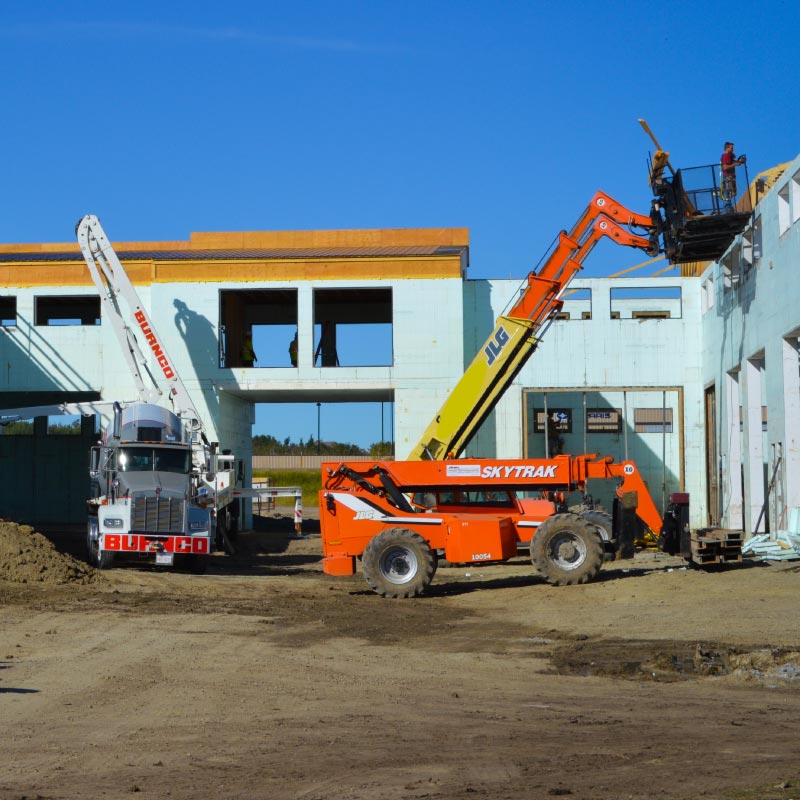
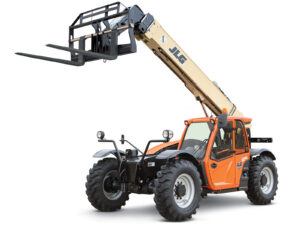
Telescopic boom lift lifting workers on construction site.

Renting construction equipment is a cost-effective and efficient way to complete your projects. However, making mistakes during the rental process can lead to delays, increased costs, and safety hazards. 

Here are some common pitfalls to avoid and construction rental equipment tips to help make your job run smoothly:

1. Choosing the Wrong Equipment

One of the most common mistakes is selecting the wrong equipment for the job. This can lead to inefficiencies, damage to the equipment and potential injuries. To avoid this consider the following factors:

  • Job requirements: Assess the specific needs of your project, including the scope of work, terrain, and materials.
  • Equipment specifications: Research the technical specifications of different equipment to ensure it meets your project’s requirements.
  • Operator experience: Consider the skill level of your operators and choose equipment that is easy to operate.

2. Not Scheduling Rentals in Advance

Last-minute equipment rentals can be stressful and often lead to availability issues. Even when working with the best construction equipment rental company. To avoid this, plan your equipment needs well in advance and schedule your rentals accordingly.

Our team at Mountain View Equipment Rentals can help you plan your equipment needs and ensure timely delivery. We have a wide range of equipment available for rent, and our experienced team can help you choose the right equipment for the job.

3. Neglecting Insurance

Proper insurance coverage is essential to protect your investment and mitigate potential risks. Make sure you understand your insurance policies and coverage when choosing a plan that adequately covers your needs.

4. Ignoring Maintenance and Safety

Regular maintenance and safety inspections are crucial to ensure the optimal performance and safety of rented equipment. At Mountain View Equipment Rentals, all that is taken care of for you. Before any equipment goes out in the field, we make sure it is in top operating condition. Making sure you have familiarized yourself with the safety features and operating procedures is also part of our job.

5. Overlooking Transportation and Delivery Costs

Transportation and delivery costs can significantly impact your project’s budget and timeline. When renting equipment, consider the additional costs and time associated with transporting and delivering the equipment to your job site.

How to Rent Construction Equipment: A Step-by-Step Guide

  1. Identify Your Needs: Determine the specific equipment required for your project, considering factors like power source, capacity, and attachments.
  2. Research Rental Companies: Look for reputable rental companies with a wide range of equipment and competitive rates.
  3. Request Quotes: Obtain quotes from multiple rental companies to compare prices and services.
  4. Check Availability: Ensure the desired equipment is available for your project timeline.
  5. Review Rental Agreement: Carefully review the rental agreement, paying attention to terms and conditions, insurance requirements, and maintenance responsibilities.
  6. Inspect Equipment: Before accepting delivery, inspect the equipment for any damage or defects.
  7. Operate Safely: Follow all safety guidelines and operator manuals.
  8. Return Equipment on Time: Return the equipment in good condition to avoid additional charges.

By following these tips and working with a reliable rental company like Mountain View Equipment Rentals you can avoid common mistakes and ensure the success of your construction projects.

Mountain View Equipment Rentals is committed to providing our customers with the highest quality equipment paired with exceptional service. Our experienced team can help you find the perfect equipment for your specific needs and budget. Contact us today to learn more about our rental services and how we can help you with your next project.
Popular Blogs

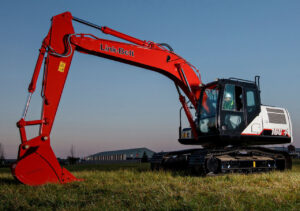
Link-Belt 160X4 excavator working on a dirt site,

How Much Is An Excavator Rental And What Factors Actually Determine The Cost?

When contractors search how much is an excavator rental, they are often looking for a quick number. In reality, excavator rental pricing depends on several job-specific factors that directly affect cost predictability. Machine size, rental duration, attachments, transport logistics, and service support all influence total spend. This article explains what actually determines excavator rental costs so construction and agricultural operators can budget confidently and avoid unnecessary project delays.

Read More
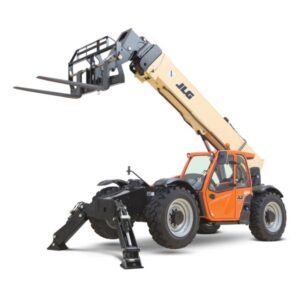
JLG 7,000 lb telehandler with extended boom and pallet forks on a white background, representing different types of telehandlers used for material handling.

Types Of Telehandlers Explained: Load Capacity, Reach, And Jobsite Applications

Telehandlers play a critical role in modern construction and agricultural operations where safe, efficient material handling is essential. Understanding the different types of telehandlers, including how lift capacity and reach affect performance, allows contractors and farm operators to select equipment that matches real jobsite demands. This article breaks down telehandler classifications and practical applications so crews can choose the right machine for framing, truss placement, bulk material handling, and facility maintenance without oversizing or limiting productivity.

Read More
JLG 10,000 lb telehandler with extended boom and pallet forks on a white background, demonstrating what telehandlers are used for in material handling and construction.

What Are Telehandlers And Why Are They Essential On Construction And Agricultural Job Sites?

Material handling is one of the most time-consuming parts of any construction or agricultural project. Moving trusses, pallets, seed totes, lumber, pipe, or feed efficiently requires the right equipment. Contractors and farm operators often ask, what are telehandlers, and why do they show up on so many job sites across Southern Alberta? This article explains what telehandlers are, how they function, and why they have become a core machine for lifting, placing, and transporting materials safely and efficiently.

Read More
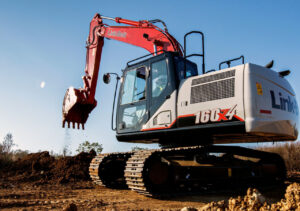
Link-Belt 160 excavator at an urban construction site, illustrating how to choose the right excavator for large projects.

How To Choose The Right Excavator For Construction, Agricultural, And Maintenance Projects

Choosing the wrong excavator can slow production, increase fuel costs, and create unnecessary safety risks. Contractors and agricultural operators often focus on availability first, but long-term efficiency starts with proper sizing and job matching. This guide explains how to choose the right excavator using a practical framework based on job scope, reach, lift requirements, ground conditions, and attachments. The goal is simple: select equipment that works efficiently, safely, and predictably from day one.

Read More

Related blogs

Horizontal Border
Link-Belt 160X4 excavator working on a dirt site,

How Much Is An Excavator Rental And What Factors Actually Determine The Cost?

When contractors search how much is an excavator rental, they are often looking for a quick number. In reality, excavator rental pricing depends on several job-specific factors that directly affect cost predictability. Machine size, rental duration, attachments, transport logistics, and service support all influence total spend. This article explains what actually determines excavator rental costs so construction and agricultural operators can budget confidently and avoid unnecessary project delays.

Read More
JLG 7,000 lb telehandler with extended boom and pallet forks on a white background, representing different types of telehandlers used for material handling.

Types Of Telehandlers Explained: Load Capacity, Reach, And Jobsite Applications

Telehandlers play a critical role in modern construction and agricultural operations where safe, efficient material handling is essential. Understanding the different types of telehandlers, including how lift capacity and reach affect performance, allows contractors and farm operators to select equipment that matches real jobsite demands. This article breaks down telehandler classifications and practical applications so crews can choose the right machine for framing, truss placement, bulk material handling, and facility maintenance without oversizing or limiting productivity.

Read More
JLG 10,000 lb telehandler with extended boom and pallet forks on a white background, demonstrating what telehandlers are used for in material handling and construction.

What Are Telehandlers And Why Are They Essential On Construction And Agricultural Job Sites?

Material handling is one of the most time-consuming parts of any construction or agricultural project. Moving trusses, pallets, seed totes, lumber, pipe, or feed efficiently requires the right equipment. Contractors and farm operators often ask, what are telehandlers, and why do they show up on so many job sites across Southern Alberta? This article explains what telehandlers are, how they function, and why they have become a core machine for lifting, placing, and transporting materials safely and efficiently.

Read More
Link-Belt 160 excavator at an urban construction site, illustrating how to choose the right excavator for large projects.

How To Choose The Right Excavator For Construction, Agricultural, And Maintenance Projects

Choosing the wrong excavator can slow production, increase fuel costs, and create unnecessary safety risks. Contractors and agricultural operators often focus on availability first, but long-term efficiency starts with proper sizing and job matching. This guide explains how to choose the right excavator using a practical framework based on job scope, reach, lift requirements, ground conditions, and attachments. The goal is simple: select equipment that works efficiently, safely, and predictably from day one.

Read More
Skip to content