Boost Your Winter Projects: Scissor Lift Rentals in High River

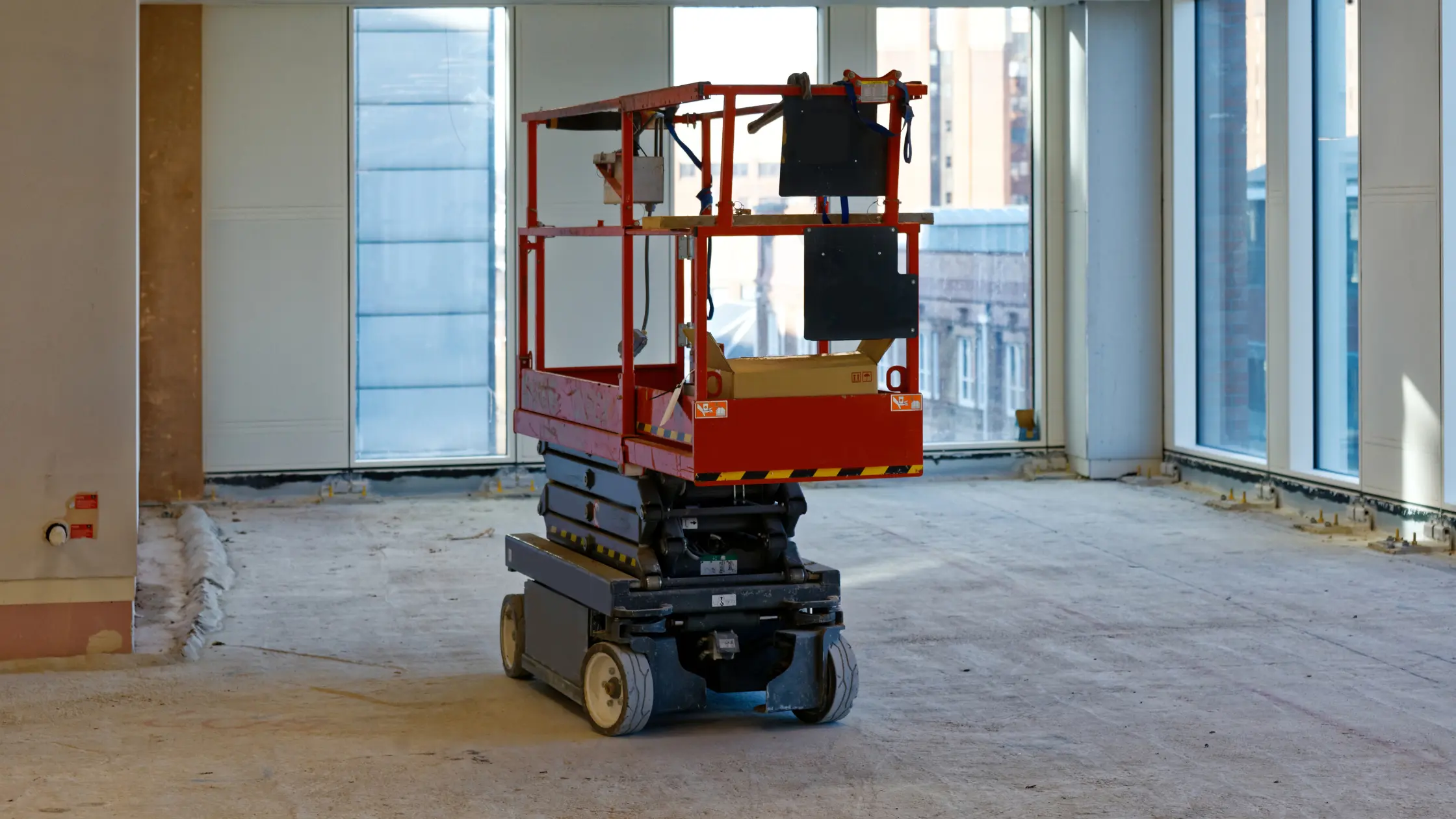
Scissor lift inside unfinished building interior.

Winter weather putting a damper on your construction projects? Luckily, indoor construction projects can always proceed, regardless of the season. A scissor lift rental from Mountain View Rentals in High River is the perfect solution. These versatile machines are ideal for indoor construction work, and many models even run on propane, eliminating worries about carbon monoxide buildup. This blog will explore the benefits of renting a scissor lift in High River during the winter and how Mountain View Rentals can help you get the equipment you need.

Why Rent a Scissor Lift in High River This Winter?

  • Beat the Cold: Keep your projects moving forward, even when the temperature drops.
  • Indoor Versatility: Scissor lifts are perfect for a variety of indoor construction tasks.
  • Increased Efficiency: Reach new heights and move people and materials quickly and safely.

Benefits of Propane-Powered Scissor Lifts

  • Safe for Indoor Use: Propane-powered scissor lifts produce less harmful emissions, making them ideal for indoor environments.
  • Cost-Effective: Propane can be a more economical fuel source than gasoline or diesel.
  • Environmentally Friendly: Propane is a cleaner-burning fuel.

Scissor Lift Applications for Winter Projects

  • Interior Construction: Perfect for ceiling work, electrical work, and plumbing.
  • Safer Than Ladders: Keep your contractors and employees safe from falls.
  • Maintenance and Repair: Reach high areas for repairs and maintenance tasks.

Choosing the Right Scissor Lift for Your Needs

  • Lift Capacity: Consider the weight of the materials you need to lift.
  • Lift Height: Determine the maximum height you need to reach.
  • Terrain: Choose a scissor lift that’s suitable for the terrain you’ll be working on.

Mountain View Rentals: Your High River Scissor Lift Experts

  • Wide Selection: We offer a variety of scissor lift models to meet your specific needs.
  • Competitive Rates: Get the best value for your money.
  • Expert Advice: Our team can help you choose the right scissor lift for your project.

Tips for Operating a Scissor Lift Safely in Winter

  • Inspect Equipment: Always inspect your scissor lift before each use.
  • Wear Appropriate Gear: Dress warmly and wear safety gear.
  • Be Aware of Surroundings: Pay attention to your surroundings and other workers.

Don’t let winter slow down your projects. Rent a scissor lift from Mountain View Rentals in High River and keep your indoor construction work on track. Contact us today for a quote and experience the difference. What winter projects are you planning? 

FAQs Section:

Frequently Asked Questions About Scissor Lift Rentals in Winter

Are scissor lifts safe to use indoors?

Yes, especially propane-powered models. They produce less harmful emissions compared to gasoline or diesel, making them suitable for indoor environments.

What are the benefits of renting a scissor lift in the winter?

Renting a scissor lift allows you to continue your projects throughout the winter, regardless of the weather. They are versatile and can be used for various indoor tasks.

How do I choose the right scissor lift for my project?

Consider factors like lift capacity, lift height, and terrain. Contact Mountain View Rentals for expert advice on choosing the right model for your needs.
Popular Blogs

Link-Belt 160X4 excavator working on a dirt site,

How Much Is An Excavator Rental And What Factors Actually Determine The Cost?

When contractors search how much is an excavator rental, they are often looking for a quick number. In reality, excavator rental pricing depends on several job-specific factors that directly affect cost predictability. Machine size, rental duration, attachments, transport logistics, and service support all influence total spend. This article explains what actually determines excavator rental costs so construction and agricultural operators can budget confidently and avoid unnecessary project delays.

Read More
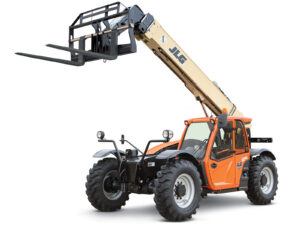
JLG 7,000 lb telehandler with extended boom and pallet forks on a white background, representing different types of telehandlers used for material handling.

Types Of Telehandlers Explained: Load Capacity, Reach, And Jobsite Applications

Telehandlers play a critical role in modern construction and agricultural operations where safe, efficient material handling is essential. Understanding the different types of telehandlers, including how lift capacity and reach affect performance, allows contractors and farm operators to select equipment that matches real jobsite demands. This article breaks down telehandler classifications and practical applications so crews can choose the right machine for framing, truss placement, bulk material handling, and facility maintenance without oversizing or limiting productivity.

Read More
JLG 10,000 lb telehandler with extended boom and pallet forks on a white background, demonstrating what telehandlers are used for in material handling and construction.

What Are Telehandlers And Why Are They Essential On Construction And Agricultural Job Sites?

Material handling is one of the most time-consuming parts of any construction or agricultural project. Moving trusses, pallets, seed totes, lumber, pipe, or feed efficiently requires the right equipment. Contractors and farm operators often ask, what are telehandlers, and why do they show up on so many job sites across Southern Alberta? This article explains what telehandlers are, how they function, and why they have become a core machine for lifting, placing, and transporting materials safely and efficiently.

Read More
Link-Belt 160 excavator at an urban construction site, illustrating how to choose the right excavator for large projects.

How To Choose The Right Excavator For Construction, Agricultural, And Maintenance Projects

Choosing the wrong excavator can slow production, increase fuel costs, and create unnecessary safety risks. Contractors and agricultural operators often focus on availability first, but long-term efficiency starts with proper sizing and job matching. This guide explains how to choose the right excavator using a practical framework based on job scope, reach, lift requirements, ground conditions, and attachments. The goal is simple: select equipment that works efficiently, safely, and predictably from day one.

Read More

Related blogs

Horizontal Border
Link-Belt 160X4 excavator working on a dirt site,

How Much Is An Excavator Rental And What Factors Actually Determine The Cost?

When contractors search how much is an excavator rental, they are often looking for a quick number. In reality, excavator rental pricing depends on several job-specific factors that directly affect cost predictability. Machine size, rental duration, attachments, transport logistics, and service support all influence total spend. This article explains what actually determines excavator rental costs so construction and agricultural operators can budget confidently and avoid unnecessary project delays.

Read More
JLG 7,000 lb telehandler with extended boom and pallet forks on a white background, representing different types of telehandlers used for material handling.

Types Of Telehandlers Explained: Load Capacity, Reach, And Jobsite Applications

Telehandlers play a critical role in modern construction and agricultural operations where safe, efficient material handling is essential. Understanding the different types of telehandlers, including how lift capacity and reach affect performance, allows contractors and farm operators to select equipment that matches real jobsite demands. This article breaks down telehandler classifications and practical applications so crews can choose the right machine for framing, truss placement, bulk material handling, and facility maintenance without oversizing or limiting productivity.

Read More
JLG 10,000 lb telehandler with extended boom and pallet forks on a white background, demonstrating what telehandlers are used for in material handling and construction.

What Are Telehandlers And Why Are They Essential On Construction And Agricultural Job Sites?

Material handling is one of the most time-consuming parts of any construction or agricultural project. Moving trusses, pallets, seed totes, lumber, pipe, or feed efficiently requires the right equipment. Contractors and farm operators often ask, what are telehandlers, and why do they show up on so many job sites across Southern Alberta? This article explains what telehandlers are, how they function, and why they have become a core machine for lifting, placing, and transporting materials safely and efficiently.

Read More
Link-Belt 160 excavator at an urban construction site, illustrating how to choose the right excavator for large projects.

How To Choose The Right Excavator For Construction, Agricultural, And Maintenance Projects

Choosing the wrong excavator can slow production, increase fuel costs, and create unnecessary safety risks. Contractors and agricultural operators often focus on availability first, but long-term efficiency starts with proper sizing and job matching. This guide explains how to choose the right excavator using a practical framework based on job scope, reach, lift requirements, ground conditions, and attachments. The goal is simple: select equipment that works efficiently, safely, and predictably from day one.

Read More
Skip to content