Why Telehandlers Are The Versatile Machine Your Site Needs

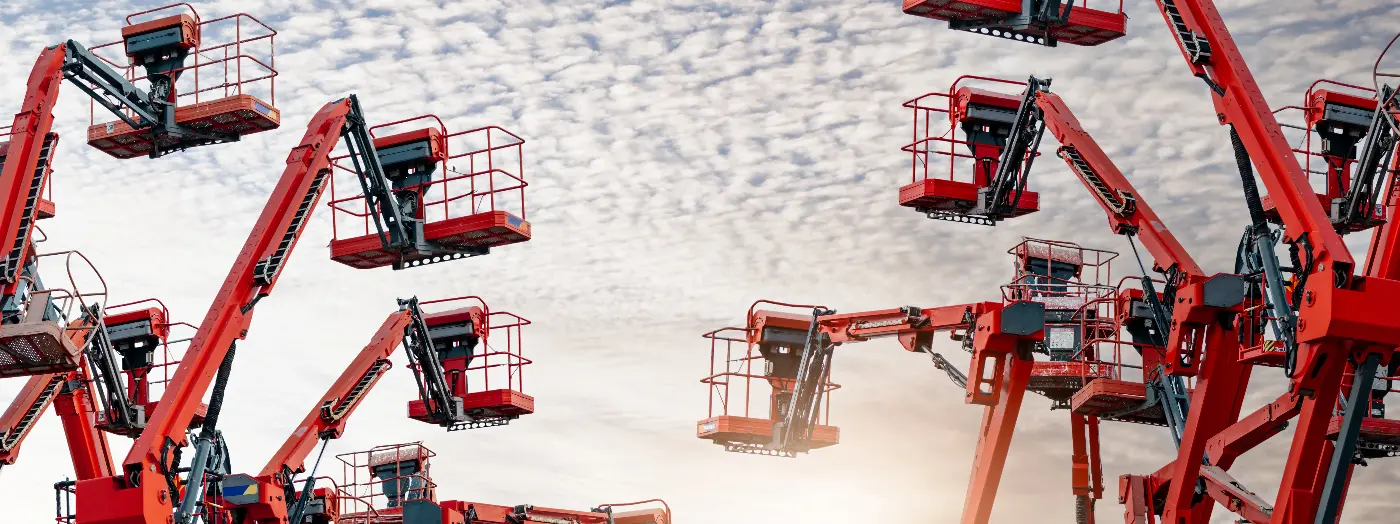
Multiple red aerial work platforms and boom lifts raised against a cloudy sky at an industrial equipment site.

If you’ve ever driven by a construction site, you’ve probably seen a telehandler. These versatile machines are also known as telescopic handlers and are true workhorses. Sure, you’ve seen them, but what exactly is a telehandler? Let’s take a look at what they can do.

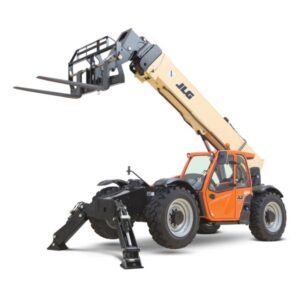
A telehandler is a hydraulic lift machine used to move and place heavy materials. Armed with a telescopic boom, telehandlers can extend and retract, reach high places and make moving heavy loads a breeze.

Telehandlers can also be outfitted with forks, buckets and platforms to transform them into whatever you need for your application.

Some key features of a telehandler

Known for their versatility and ability to handle rough terrain, telehandlers are four-wheel drive units with a high ground clearance allowing them to get around the job site easily. Some other key features of telehandlers include:

  • A telescopic hydraulic boom
  • Ability to add attachments like forks and buckets
  • Equipped with four-wheel drive
  • Compact size and easy to maneuver

Advantages & Applications for Telehandlers

Versatility is the name of the game when it comes to choosing a telehandler. By switching attachments, operators can use a single machine to accomplish a wide range of tasks. Thanks to their small but mighty size telehandlers can squeak into tight spots and get the job done. Their telescopic reach is usually anywhere from 6 to 17 meters (20’ to 55’). From navigating tight spaces to tackling rough terrain, a telehandler is a true asset on any jobsite.

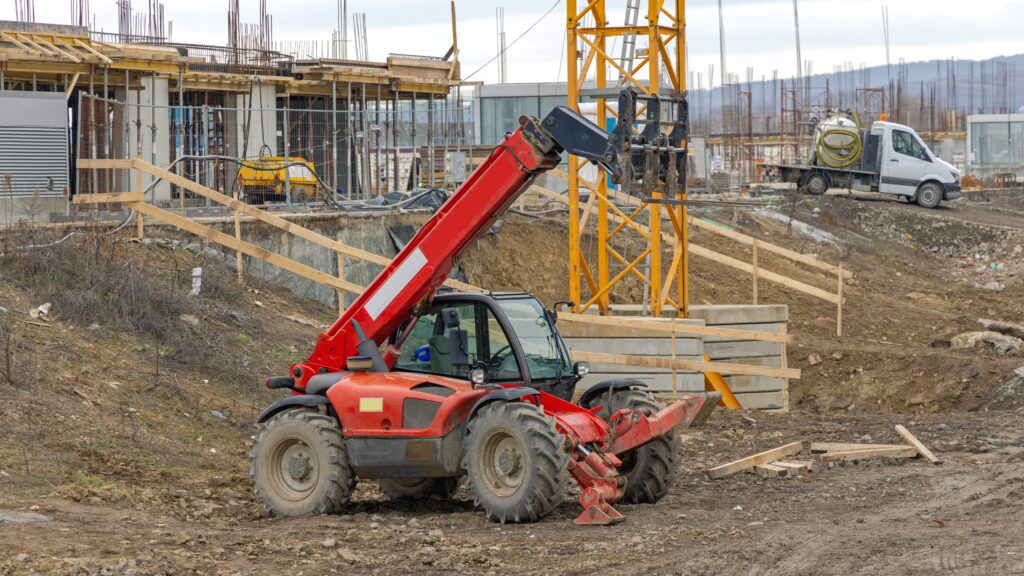
Construction and Building

In the construction industry, a telehandler can perform tasks like lifting and moving heavy materials to providing a platform for elevated work areas. When you equip a telehandler with a platform, you will get a cost-effective solution for lifting everything from people to materials and place them exactly where you need them.
Agriculture and Farming

Telehandlers are also a huge asset on the farm, thanks to their amazing ability to handle rough terrain while moving awkward loads. They can be used for everything from moving hay bales, moving feed and help perform maintenance on barns and outbuildings. You can even get a telehandler with an enclosed cab to protect you from those long days in the heat or the cold.

Industrial and Manufacturing

In an industrial setting, a telehandler can move material around a warehouse and is great for transporting goods from receiving areas to production lines and the sales floor. Their ability to reach the highest shelves is a huge help in a warehouse setting.

Landscaping

Telehandlers and landscaping go hand in hand, particularly the super compact models that can fit into tight spaces. These machines are the go-to for transporting pavers and gravel, saving your back and making the day more productive.

Telehandler Safety

While telehandlers are super handy on any jobsite, they do have their challenges. Proper training and safety precautions are essential to prevent accidents.

When operating a telehandler, safety should always be top of mind. Safe operating practices include:

  • Wearing the seatbelt at all times.
  • Traveling with the boom retracted and the load as low as possible
  • Avoiding excessive speeds and sudden, jerky movements
  • Maintaining a safe distance from power lines and other ground or overhead hazards
  • Using a spotter when working in tight spaces or around crowds

Comparing Telehandlers to Other Equipment

While telehandlers are incredibly versatile machines, they aren’t always the best choice for every job. Let’s compare telehandlers to other common jobsite machinery:

Telehandler vs. Forklift

Forklifts are the most common equipment and used in many industries. They are designed for indoor use on flat and level surfaces. Telehandlers can handle rough terrain and outdoor environments. A telehandler also has better lift capabilities and can reach higher than most forklifts, thanks to their telescopic booms. Forklifts are better at moving in tight spaces and generally have a lower operating cost.

Telehandler vs. Crane

You can’t beat a crane for lifting power, but a telehandler does offer better versatility and movability. Telehandlers can move loads across a jobsite while a crane is usually set in place and offer less mobility.

Telehandler vs. Boom Lift

Boom lifts, or cherry pickers, are aerial work platforms for elevating personnel. While some telehandlers can be equipped with work platforms, their main use is for moving material.

Telehandler vs. Scissor Lift

Scissor lifts provide a stable and secure platform for workers. They are used mostly indoors and have a large and stable space for overhead work. A telehandler with a platform can provide the same, but a telehandler can navigate rougher terrain where a scissor lift can’t safely go.

Takeaways 

Telehandlers are the all-purpose pocket knives on a jobsite. They can lift, reach and get just about anywhere across practically any terrain. From construction to landscaping, or on the farm, telehandlers can be customized for most any task. Looking to give one a try? Come out to see us at Mountain View Equipment Rentals. We’ll get you outfitted with a telehandler to suit your needs and provide safety training and more.
Popular Blogs

Link-Belt 160X4 excavator working on a dirt site,

How Much Is An Excavator Rental And What Factors Actually Determine The Cost?

When contractors search how much is an excavator rental, they are often looking for a quick number. In reality, excavator rental pricing depends on several job-specific factors that directly affect cost predictability. Machine size, rental duration, attachments, transport logistics, and service support all influence total spend. This article explains what actually determines excavator rental costs so construction and agricultural operators can budget confidently and avoid unnecessary project delays.

Read More
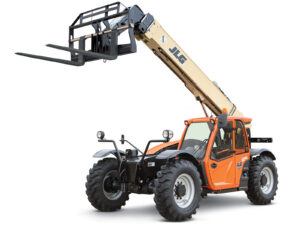
JLG 7,000 lb telehandler with extended boom and pallet forks on a white background, representing different types of telehandlers used for material handling.

Types Of Telehandlers Explained: Load Capacity, Reach, And Jobsite Applications

Telehandlers play a critical role in modern construction and agricultural operations where safe, efficient material handling is essential. Understanding the different types of telehandlers, including how lift capacity and reach affect performance, allows contractors and farm operators to select equipment that matches real jobsite demands. This article breaks down telehandler classifications and practical applications so crews can choose the right machine for framing, truss placement, bulk material handling, and facility maintenance without oversizing or limiting productivity.

Read More
JLG 10,000 lb telehandler with extended boom and pallet forks on a white background, demonstrating what telehandlers are used for in material handling and construction.

What Are Telehandlers And Why Are They Essential On Construction And Agricultural Job Sites?

Material handling is one of the most time-consuming parts of any construction or agricultural project. Moving trusses, pallets, seed totes, lumber, pipe, or feed efficiently requires the right equipment. Contractors and farm operators often ask, what are telehandlers, and why do they show up on so many job sites across Southern Alberta? This article explains what telehandlers are, how they function, and why they have become a core machine for lifting, placing, and transporting materials safely and efficiently.

Read More
Link-Belt 160 excavator at an urban construction site, illustrating how to choose the right excavator for large projects.

How To Choose The Right Excavator For Construction, Agricultural, And Maintenance Projects

Choosing the wrong excavator can slow production, increase fuel costs, and create unnecessary safety risks. Contractors and agricultural operators often focus on availability first, but long-term efficiency starts with proper sizing and job matching. This guide explains how to choose the right excavator using a practical framework based on job scope, reach, lift requirements, ground conditions, and attachments. The goal is simple: select equipment that works efficiently, safely, and predictably from day one.

Read More

Related blogs

Horizontal Border
Link-Belt 160X4 excavator working on a dirt site,

How Much Is An Excavator Rental And What Factors Actually Determine The Cost?

When contractors search how much is an excavator rental, they are often looking for a quick number. In reality, excavator rental pricing depends on several job-specific factors that directly affect cost predictability. Machine size, rental duration, attachments, transport logistics, and service support all influence total spend. This article explains what actually determines excavator rental costs so construction and agricultural operators can budget confidently and avoid unnecessary project delays.

Read More
JLG 7,000 lb telehandler with extended boom and pallet forks on a white background, representing different types of telehandlers used for material handling.

Types Of Telehandlers Explained: Load Capacity, Reach, And Jobsite Applications

Telehandlers play a critical role in modern construction and agricultural operations where safe, efficient material handling is essential. Understanding the different types of telehandlers, including how lift capacity and reach affect performance, allows contractors and farm operators to select equipment that matches real jobsite demands. This article breaks down telehandler classifications and practical applications so crews can choose the right machine for framing, truss placement, bulk material handling, and facility maintenance without oversizing or limiting productivity.

Read More
JLG 10,000 lb telehandler with extended boom and pallet forks on a white background, demonstrating what telehandlers are used for in material handling and construction.

What Are Telehandlers And Why Are They Essential On Construction And Agricultural Job Sites?

Material handling is one of the most time-consuming parts of any construction or agricultural project. Moving trusses, pallets, seed totes, lumber, pipe, or feed efficiently requires the right equipment. Contractors and farm operators often ask, what are telehandlers, and why do they show up on so many job sites across Southern Alberta? This article explains what telehandlers are, how they function, and why they have become a core machine for lifting, placing, and transporting materials safely and efficiently.

Read More
Link-Belt 160 excavator at an urban construction site, illustrating how to choose the right excavator for large projects.

How To Choose The Right Excavator For Construction, Agricultural, And Maintenance Projects

Choosing the wrong excavator can slow production, increase fuel costs, and create unnecessary safety risks. Contractors and agricultural operators often focus on availability first, but long-term efficiency starts with proper sizing and job matching. This guide explains how to choose the right excavator using a practical framework based on job scope, reach, lift requirements, ground conditions, and attachments. The goal is simple: select equipment that works efficiently, safely, and predictably from day one.

Read More
Skip to content