Article Overview
When contractors search how much is an excavator rental, they are often looking for a quick number. In reality, excavator rental pricing depends on several job-specific factors that directly affect cost predictability. Machine size, rental duration, attachments, transport logistics, and service support all influence total spend. This article explains what actually determines excavator rental costs so construction and agricultural operators can budget confidently and avoid unnecessary project delays.
Why Does Machine Size Have The Biggest Impact On Cost?
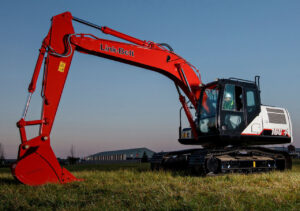
The most significant factor influencing how much excavator rental is is machine size. Excavators range from compact mini units under 5 tonnes to mid-size and larger machines exceeding 14 tonnes. As operating weight increases, so do fuel consumption, transport requirements, and overall rental rates.
Larger machines deliver higher breakout force, deeper digging capability, and greater lift capacity. They are ideal for heavy site preparation, foundation excavation, and large-scale agricultural work. However, using an oversized machine for trenching or tight-access jobs increases unnecessary costs.
Right-sizing the excavator to match production requirements improves efficiency and cost control. A properly matched unit reduces idle time, transport complexity, and fuel burn while maintaining output.
How Does Rental Duration Influence Pricing Stability?
Rental duration significantly affects budgeting. Daily rentals offer flexibility but often carry higher short-term costs per day. Weekly and monthly rentals typically provide better rate efficiency for extended projects.
When evaluating how much is an excavator rental, contractors should consider realistic project timelines. Rental duration should reflect the expected project timeline, with rate structures designed so customers are billed at the most economical interval, up to a monthly maximum.
Longer rental periods also provide scheduling stability. On multi-month construction builds or agricultural projects, consistent equipment availability reduces disruption and improves planning accuracy.
Predictable scheduling often leads to more consistent overall rental spend.
How Do Attachments Affect Excavator Rental Costs?
Attachments expand capability but also influence hydraulic demand and machine class selection. Common excavator attachments include dig buckets, wrist buckets, plate tamper/hoe pack for packing in trenches, frost rippers, and breakers.
All attachments should always be matched with machines that provide the proper hydraulic capacity and stability to ensure safe, efficient performance, with experienced support personnel guiding the selection process to confirm the correct configuration for the intended application.
When budgeting and researching how much is excavator rental, attachment compatibility should be considered early. Proper planning prevents mid-project machine swaps that increase cost and downtime.
What Role Does Transport And Delivery Play?
Transport logistics are often overlooked when calculating excavator rental costs. Larger excavators require heavier trailers, specialized hauling equipment, and more planning.
Distance from the rental yard to the jobsite affects delivery coordination and scheduling. Projects located in rural Southern Alberta may require additional planning to ensure timely drop-off and pickup.
Efficient transport planning reduces unexpected costs and ensures the machine arrives ready to work.
How Does Service Support Influence Cost Predictability?
Equipment support is one of the most important but least discussed cost factors. Downtime can quickly outweigh daily rental savings.
When considering how much is an excavator rental, contractors should evaluate service responsiveness. A rental provider with knowledgeable field support and well-maintained equipment reduces the risk of delays.
Unexpected breakdowns, if not addressed quickly, affect crew productivity, project timelines, and labour costs. Reliable service support ensures that mechanical issues are resolved promptly or that equipment swaps occur without extended delays.
Predictable service response adds stability to project budgets.
Why Does Jobsite Efficiency Matter More Than Daily Rate?
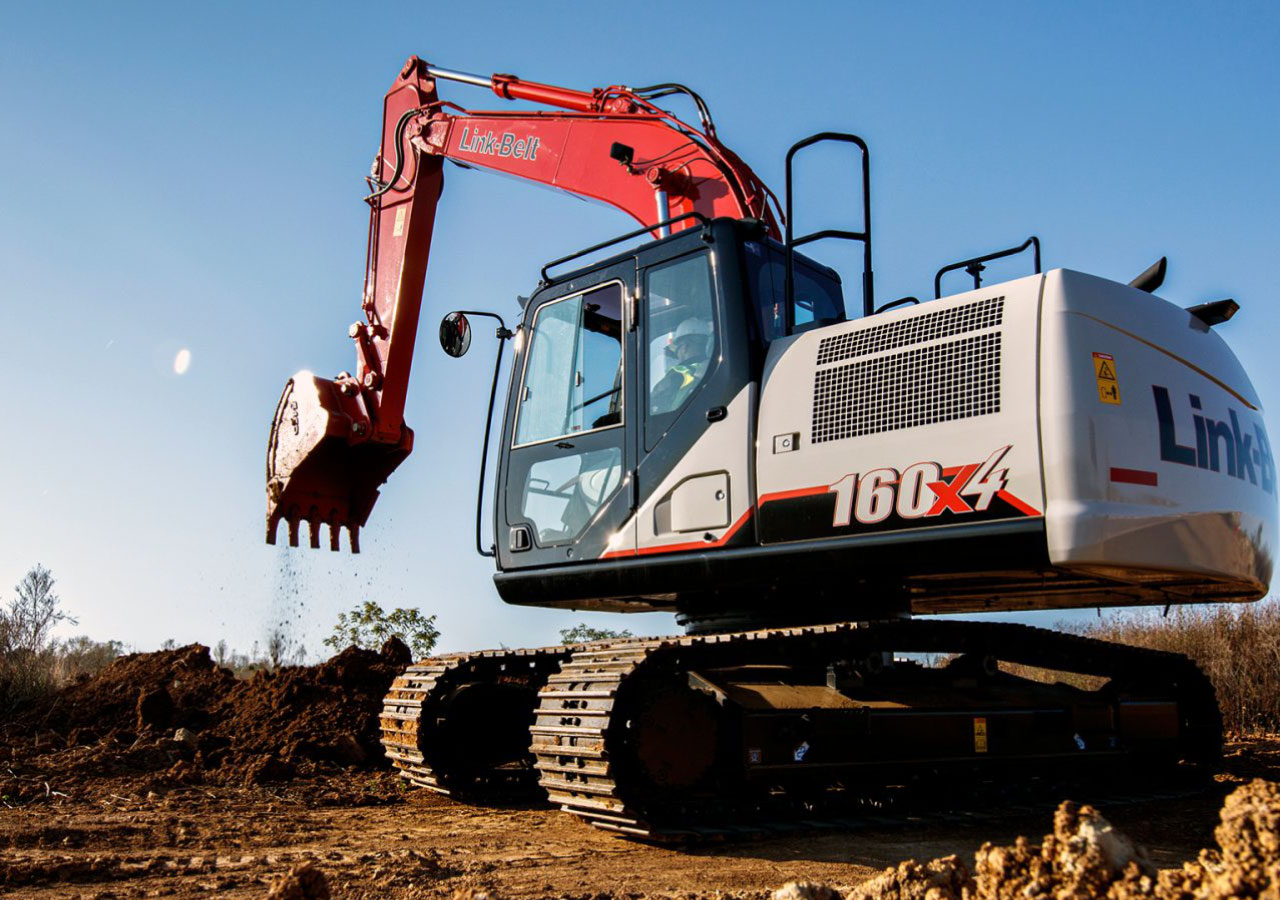
Selecting the correct machine size ensures the job is completed efficiently and with confidence. Compact excavators are ideal for tight-access and lighter applications, while 145 and 160 class machines are built to handle heavier excavation demands with consistent performance. When machine capability is aligned with project requirements, productivity remains steady and the work progresses as planned. The real value in any rental comes from reliable performance, operator efficiency, and maintaining momentum on site.
When contractors ask how much is excavator rental, the better question becomes how efficiently the machine will complete the work.
Matching equipment capability to job requirements reduces overall project cost, even if the daily rate appears higher.
Making Excavator Rental Costs Predictable
Understanding how much is an excavator rental requires looking beyond a rate sheet. Machine size, rental duration, attachment requirements, transport logistics, and service support all contribute to total cost.
Careful planning and proper sizing create predictable expenses and reduce mid-project adjustments. Contractors and agricultural operators who evaluate these factors upfront avoid unnecessary downtime and cost overruns.
Understanding how much an excavator rental is starts with knowing How To Choose The Right Excavator For Construction, Agricultural, And Maintenance Projects, since proper sizing directly determines cost efficiency and productivity.
For dependable excavator rentals backed by practical jobsite experience and responsive support across Southern Alberta, contact Mountain View Equipment Rentals to request a quote