Winter-Ready Equipment Rentals in Calgary: Stay Productive with Mountain View Equipment Rentals

Winter-Ready Equipment Rentals in Calgary: Stay Productive with Mountain View Equipment Rentals

Calgary winters are tough. Freezing temperatures, snow, and icy conditions can slow construction projects and create safety hazards. The key to keeping work on track isn’t just fighting the cold — it’s having the right equipment, properly maintained and ready for winter conditions. That’s where Mountain View Equipment Rentals, based in High River, Alberta, comes in.

We provide a full fleet of heavy machinery and site accessories designed to perform reliably, even in sub-zero temperatures. By renting from Mountain View Rentals, you get flexible access to top-quality machines without the costs of ownership, storage, or long-term maintenance.

NEED IT, RENT IT — that’s our promise.

Top Winter-Ready Equipment Rentals in Calgary

At Mountain View Equipment Rentals, we take pride in maintaining a fleet that performs reliably through Alberta’s harsh conditions. Here are some of our most popular equipment options for cold-weather construction:

1. Excavators (50–160 Series)

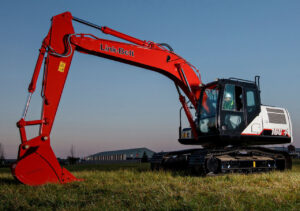
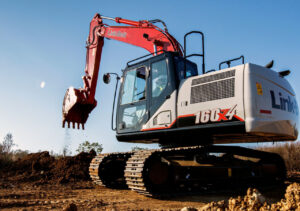
Ideal for digging foundations, trenching, and material handling, even in frozen ground. With attachments like frost rippers, concrete breakers, and plate compactors, excavators remain versatile and reliable in harsh winter conditions.

2. Skid Steers

Compact, maneuverable, and perfect for snow removal, grading, or material transport. Skid steers make quick work of winter cleanup on tight sites.

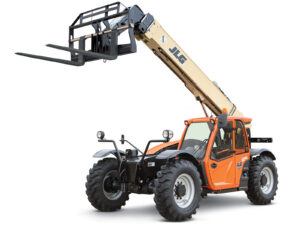
3. Telehandlers (5,000–12,000lb Capacity)

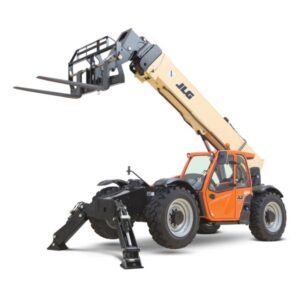
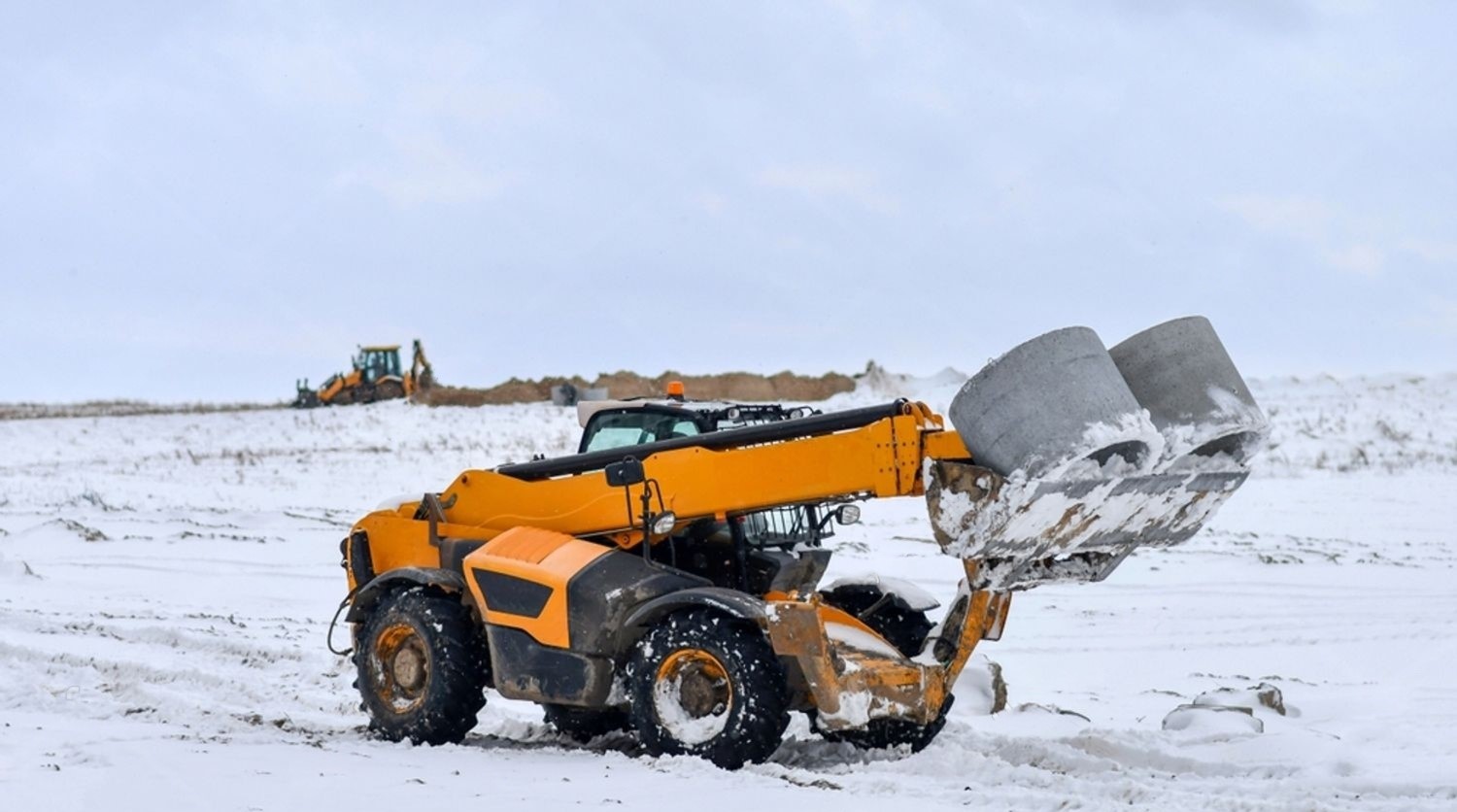
Lifting heavy materials and reaching new heights is easier with telehandlers. Cold-rated diesel engines and heavy-duty tires provide traction and stability, while attachments like man baskets and truss jibs add versatility.

4. Scissor Lifts (Rough Terrain & Electric Indoor)

Safe vertical access is critical. Rough terrain lifts handle uneven outdoor sites, while electric models are ideal indoors where emissions must be low.

5. Boom Lifts / Man Lifts (45–125ft Reach)

Articulating and telescopic boom lifts reach difficult areas on complex job sites, providing stability and flexibility without long-term maintenance worries.

6. Dozers & Compactors

Dozers move soil, level ground, or clear snow efficiently. Compactors, available in smooth drum and padfoot styles, ensure solid, stable foundations for any project.

7. Site Accessories (Job Shacks & Light Towers)

Heated job shacks give workers warm spaces for breaks or meetings, while light towers extend safe working hours when it gets dark earlier. 

Renting from Mountain View Rentals gives you access to winter-ready machines that perform reliably in Calgary’s cold, plus guidance on selecting the right equipment for your site.

How Cold Weather Impacts Construction Equipment

Even the best machines need extra care in Alberta winters. Cold can affect:

  • Fluids: Engine oils thicken, hydraulics slow down, and diesel can gel, making starts difficult and causing extra wear.
  • Batteries: Cranking power drops significantly in low temperatures, delaying job starts.
  • Materials: Metal becomes brittle and rubber loses flexibility, increasing the risk of leaks or component failure.
  • Operator Comfort & Safety: Unheated cabs can lead to fatigue, loss of focus, and cold-related illnesses. Warm operators are safer and more productive.

Mountain View Rentals addresses these challenges with winterized equipment, including:

  • Engine block heaters and fluid warmers for smooth starts
  • Cold-weather fluids and anti-gel diesel
  • Heavy-duty, cold-rated batteries
  • Heated operator cabs

Regular maintenance and proper setup minimize downtime and ensure your projects keep moving efficiently, no matter how cold it gets.

Benefits of Renting from Mountain View Rentals

1. Quality & Reliability

All equipment is professionally maintained to reduce breakdowns and maximize performance.

2. Cost Efficiency

Renting eliminates high upfront costs, storage fees, and depreciation, letting you allocate your budget more effectively.

3. Expert Support

Our High River team provides guidance on selecting and operating the right equipment for winter conditions.

4. Local Knowledge

As part of Alberta’s community, we understand your work environment and the standards you expect.

5. Flexible Access

Get the right machine for each phase of your project without the hassle of long-term ownership.


FAQs

Q1: What’s the benefit of renting instead of owning equipment in Alberta?
Renting gives you flexibility, cost savings, and access to the latest machinery without maintenance burdens or storage issues.

Q2: Can Mountain View Rentals deliver equipment to my job site?
Yes! We offer delivery and pickup services across Calgary, High River, and surrounding regions.

Q3: Does cold weather require special maintenance for rented equipment?
Yes — regular checks on fluid levels, batteries, and fuel systems are essential. Our team provides guidance for safe and efficient operation in cold conditions.

Q4: How can I learn more about site safety during winter projects?
We recommend exploring the ACSA’s training resources and reading our Blog for seasonal safety tips.


Conclusion: Don’t Let Winter Stop Your Progress

Understanding how cold weather affects construction equipment is only the first step. The next is having reliable, winter-ready machines. With Mountain View Rentals, you gain access to a comprehensive fleet designed for Calgary’s harsh conditions, supported by expert advice and local experience.

Don’t let freezing temperatures, stalled engines, or icy job sites slow your progress. Need it, rent it — that’s our promise. Stay productive and safe this winter by renting smart with Mountain View Rentals.

Visit Mountain View Rentals to explore our full inventory and request a quote today, or call (403) 651-2270 / email info@mvrentals.ca for expert guidance.
Popular Blogs

Link-Belt 160X4 excavator working on a dirt site,

How Much Is An Excavator Rental And What Factors Actually Determine The Cost?

When contractors search how much is an excavator rental, they are often looking for a quick number. In reality, excavator rental pricing depends on several job-specific factors that directly affect cost predictability. Machine size, rental duration, attachments, transport logistics, and service support all influence total spend. This article explains what actually determines excavator rental costs so construction and agricultural operators can budget confidently and avoid unnecessary project delays.

Read More
JLG 7,000 lb telehandler with extended boom and pallet forks on a white background, representing different types of telehandlers used for material handling.

Types Of Telehandlers Explained: Load Capacity, Reach, And Jobsite Applications

Telehandlers play a critical role in modern construction and agricultural operations where safe, efficient material handling is essential. Understanding the different types of telehandlers, including how lift capacity and reach affect performance, allows contractors and farm operators to select equipment that matches real jobsite demands. This article breaks down telehandler classifications and practical applications so crews can choose the right machine for framing, truss placement, bulk material handling, and facility maintenance without oversizing or limiting productivity.

Read More
JLG 10,000 lb telehandler with extended boom and pallet forks on a white background, demonstrating what telehandlers are used for in material handling and construction.

What Are Telehandlers And Why Are They Essential On Construction And Agricultural Job Sites?

Material handling is one of the most time-consuming parts of any construction or agricultural project. Moving trusses, pallets, seed totes, lumber, pipe, or feed efficiently requires the right equipment. Contractors and farm operators often ask, what are telehandlers, and why do they show up on so many job sites across Southern Alberta? This article explains what telehandlers are, how they function, and why they have become a core machine for lifting, placing, and transporting materials safely and efficiently.

Read More
Link-Belt 160 excavator at an urban construction site, illustrating how to choose the right excavator for large projects.

How To Choose The Right Excavator For Construction, Agricultural, And Maintenance Projects

Choosing the wrong excavator can slow production, increase fuel costs, and create unnecessary safety risks. Contractors and agricultural operators often focus on availability first, but long-term efficiency starts with proper sizing and job matching. This guide explains how to choose the right excavator using a practical framework based on job scope, reach, lift requirements, ground conditions, and attachments. The goal is simple: select equipment that works efficiently, safely, and predictably from day one.

Read More

Related blogs

Horizontal Border
Link-Belt 160X4 excavator working on a dirt site,

How Much Is An Excavator Rental And What Factors Actually Determine The Cost?

When contractors search how much is an excavator rental, they are often looking for a quick number. In reality, excavator rental pricing depends on several job-specific factors that directly affect cost predictability. Machine size, rental duration, attachments, transport logistics, and service support all influence total spend. This article explains what actually determines excavator rental costs so construction and agricultural operators can budget confidently and avoid unnecessary project delays.

Read More
JLG 7,000 lb telehandler with extended boom and pallet forks on a white background, representing different types of telehandlers used for material handling.

Types Of Telehandlers Explained: Load Capacity, Reach, And Jobsite Applications

Telehandlers play a critical role in modern construction and agricultural operations where safe, efficient material handling is essential. Understanding the different types of telehandlers, including how lift capacity and reach affect performance, allows contractors and farm operators to select equipment that matches real jobsite demands. This article breaks down telehandler classifications and practical applications so crews can choose the right machine for framing, truss placement, bulk material handling, and facility maintenance without oversizing or limiting productivity.

Read More
JLG 10,000 lb telehandler with extended boom and pallet forks on a white background, demonstrating what telehandlers are used for in material handling and construction.

What Are Telehandlers And Why Are They Essential On Construction And Agricultural Job Sites?

Material handling is one of the most time-consuming parts of any construction or agricultural project. Moving trusses, pallets, seed totes, lumber, pipe, or feed efficiently requires the right equipment. Contractors and farm operators often ask, what are telehandlers, and why do they show up on so many job sites across Southern Alberta? This article explains what telehandlers are, how they function, and why they have become a core machine for lifting, placing, and transporting materials safely and efficiently.

Read More
Link-Belt 160 excavator at an urban construction site, illustrating how to choose the right excavator for large projects.

How To Choose The Right Excavator For Construction, Agricultural, And Maintenance Projects

Choosing the wrong excavator can slow production, increase fuel costs, and create unnecessary safety risks. Contractors and agricultural operators often focus on availability first, but long-term efficiency starts with proper sizing and job matching. This guide explains how to choose the right excavator using a practical framework based on job scope, reach, lift requirements, ground conditions, and attachments. The goal is simple: select equipment that works efficiently, safely, and predictably from day one.

Read More
Skip to content