
Article Overview
When contractors search how much is a small excavator rental, they are often looking for a simple daily rate. In reality, pricing is closely tied to machine size and how well it matches the job. Small excavators, typically 5 tonnes and under, offer a strong balance of cost control, transport simplicity, and jobsite versatility. This article explains how size influences rental pricing, why compact machines are often the most efficient choice for utility and tight-access work, and how proper selection improves both productivity and overall project cost.
Why Does Size Have The Biggest Impact On Rental Cost?
The most important factor affecting how much is a small excavator rental is the size of the machine. Smaller excavators require less fuel and are designed for efficient operation in tighter environments.
A compact unit in the 5-tonne range delivers enough digging power and reach for most utility work while avoiding the added cost and complexity of larger machines. For many projects, this means consistent performance without unnecessary overhead.
Choosing the right size ensures the machine works efficiently from the start, keeping both time and operating costs under control.
What Makes Small Excavators So Efficient?
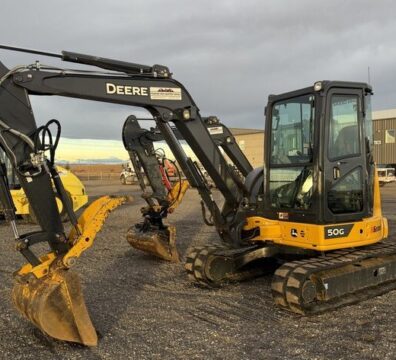
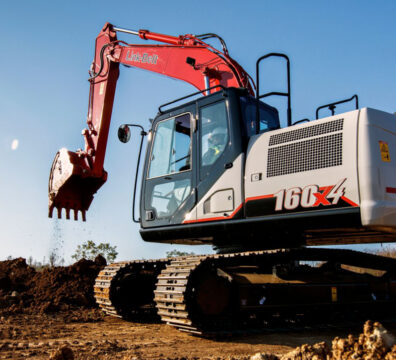
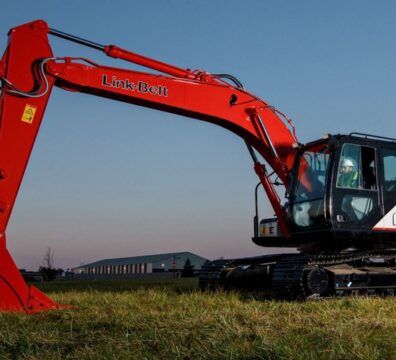
Small excavators are designed for precision, maneuverability, and versatility. Machines like a 5-tonne compact excavator provide a combination of reach, lift capability, and control that supports a wide range of tasks.
For example, a typical 5-tonne unit can achieve over 12 feet of digging depth and more than 19 feet of reach, allowing operators to complete trenching, foundation work, and general excavation without constant repositioning.
Zero-tail-swing designs further improve efficiency by allowing the machine to work safely in tight spaces such as residential lots or confined construction areas.
This combination of capability and compact size makes small excavators one of the most practical choices for everyday jobsite tasks.
When Is A Small Excavator The Right Choice?
Small excavators are best suited for projects where space is limited and precision is required. They are commonly used for utility trenching, residential construction, landscaping, and agricultural repairs.
Their compact footprint allows them to access areas that larger machines cannot, while still delivering enough power to complete the job efficiently. This makes them especially useful for jobs that require consistent movement between tight work zones.
For many contractors, a small excavator becomes the most reliable option for maintaining steady production without overcomplicating the site.
How Does Size Affect Transport And Setup?
One of the biggest advantages of smaller machines is ease of transport. Compact excavators can be moved quickly between job sites, making them ideal for short-duration or multi-location projects.
Their lighter weight and smaller footprint simplify loading, unloading, and positioning. This reduces setup time and allows operators to begin work sooner, keeping projects on schedule.
This mobility is a key reason why small excavators often provide better overall value compared to larger machines for utility and service work.
What Attachments Can Small Excavators Handle?
Attachments play an important role in determining how effectively a small excavator performs. These machines are commonly used with a range of tools that expand their capability across different applications.
Common attachment options include:
● Digging buckets for utility work
● Clean-up buckets for grading and finishing
● Frost rippers for breaking compacted or frozen ground
● Plate compactor attachments for trench backfill and compaction
● Hydraulic breakers for light demolition
Compact excavators are typically equipped with quick-coupler systems and auxiliary hydraulics, allowing operators to switch attachments efficiently and keep work moving without interruption.
Why Do Small Excavators Offer The Best Cost Balance?
When evaluating how much is a small excavator rental, the real value comes from how efficiently the machine completes the work. Small excavators provide enough power and reach for most utility and residential tasks while minimizing fuel use, setup time, and operational complexity.
They allow contractors to maintain steady productivity without the added cost of oversized equipment. This balance makes them one of the most cost-effective choices for a wide range of applications.
For projects that require precision, flexibility, and reliable performance, a properly matched small excavator delivers consistent results without unnecessary expense.
Making The Right Choice For Your Project
Understanding how much is a small excavator rental starts with understanding how size impacts performance, mobility, and overall efficiency. A 5-tonne class machine offers a practical solution for many construction and agricultural tasks, providing the capability needed to complete work confidently while maintaining control over costs.
To better understand how machine size, reach, ground conditions, and attachments affect equipment selection, it is helpful to review How To Choose The Right Excavator For Construction, Agricultural, And Maintenance Projects.
Selecting the right machine ensures that productivity stays consistent, jobs stay on schedule, and equipment performs as expected from start to finish.
For dependable small excavator rentals backed by practical jobsite experience across Southern Alberta, contact Mountain View Equipment Rentals to request a quote.