Article Overview
Understanding what a mid-size excavator is helps contractors and agricultural operators choose a machine that balances digging power, reach, stability, and most importantly, versatility. Positioned between compact excavators and larger production machines, mid-size excavators are well suited to demanding excavation, trenching, site preparation, and utility work. This article explains where these machines fit and when their capabilities support consistent productivity.
What Is A Mid-Size Excavator?
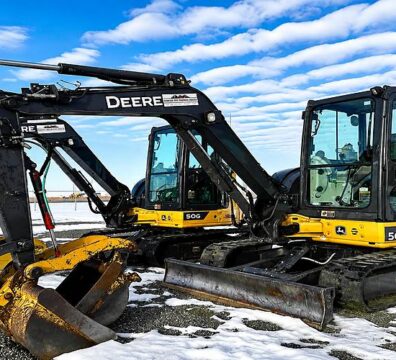
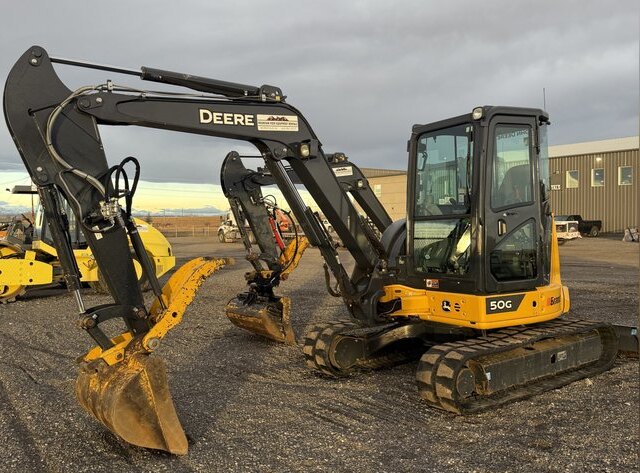
A mid-size excavator sits between compact machines designed primarily for manoeuvrability and larger excavators intended for high-volume earthmoving. Exact classifications can vary by manufacturer, so machine capability is often more useful than the category name alone when selecting equipment.
Mid-size excavators provide greater digging depth, reach, capacity, and stability than compact units while remaining versatile across construction, agricultural, utility, and infrastructure projects.
Reviewing available excavator rentals is beneficial because crews can compare machine sizes and attachment options before deciding which setup best matches the work.
The Balance Between Compact And Large Excavators
Compact excavators perform particularly well where access, manoeuvrability, and precise operation are priorities. Larger excavators provide the additional capacity required for major earthmoving and high-production applications. A mid-size machine provides a practical balance between those two requirements.
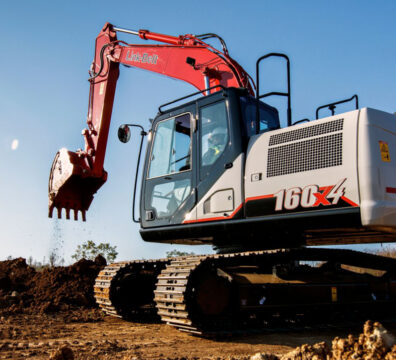
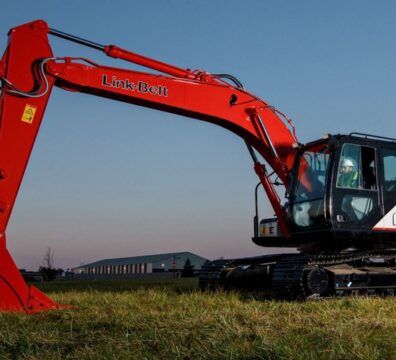
For example, a 16 tonne provides the digging power, reach, and stability needed for demanding excavation, trenching, site preparation, and utility work.
With a maximum dig depth of 19 feet 11 inches and a maximum reach of 29 feet 1 inch at ground level, it gives operators the capability to work deeper and cover a larger area with fewer repositioning movements. This makes it a practical choice for projects that require more reach and production capability while still maintaining smooth, controlled operation across a range of jobsite tasks.
When Should You Use A Mid-Size Excavator?
A mid-size excavator is a strong choice when the project requires sustained digging performance along with enough versatility to handle several phases of work.
These machines are commonly suited to:
● Foundation excavation and site preparation
● Utility and pipeline installation
● Drainage and agricultural infrastructure work
● Larger trenching projects
● Grading and moving earth
Consider a rural commercial project requiring foundation excavation, utility trenching, drainage improvements, and movement of excavated material around the property. A mid-size excavator can handle all of these tasks effectively, offering the control needed for trenching along with the reach, digging capability, and material-handling capacity required for foundation work and site improvements. Choosing one versatile mid-size machine can also reduce the need to rent multiple pieces of equipment for different stages of the project.
A properly matched mid-size excavator can move efficiently between those tasks, and the available attachments extend that versatility further. Digging and cleanout buckets come standard with the machine and support trenching, general excavation, grading, backfilling, and finishing work. For more specialized applications, a concrete breaker can handle demolition and breaking concrete or asphalt, while a plate compactor/hoe pack can compact material inside trenches. In colder conditions, a frost ripper can break through frozen ground. Together, these attachments allow one mid-size excavator to cover a wider range of project stages without requiring a separate machine for each task.
For a broader equipment-selection framework, How To Choose The Right Excavator For Construction, Agricultural, And Maintenance Projects explains how machine size, reach, ground conditions, lifting needs, and attachments affect excavator selection. This is beneficial when comparing different machine classes before confirming a rental.
How Do Reach And Ground Conditions Affect Selection?
Understanding what a mid-size excavator is includes looking beyond machine weight. Required digging depth, horizontal reach, ground conditions, lifting requirements, and available operating space all influence whether the machine will work efficiently.
Adequate reach can reduce the amount of repositioning required along foundations, trenches, and drainage runs. Stability also becomes increasingly important during digging, lifting, grading, and material handling, particularly when the machine is working at greater reach.
Ground conditions should be considered early. Soil density, moisture, frost, and uneven terrain can influence traction, digging performance, and machine stability. Matching equipment to these conditions helps operators maintain controlled, consistent operation throughout the project.
Mid-Size Excavators Support Mixed Jobsite Work
One of the strongest advantages of a mid-size excavator is its ability to support varied work during the same project.
Construction crews can use these machines for foundations, trenching, site preparation, grading, and material handling. Agricultural operators may require them for drainage improvements, yard development, infrastructure construction, and property maintenance. Utility projects can benefit from additional reach and digging capability during longer or deeper trenching work.
For projects with tighter spaces and lighter excavation requirements, How Much Is A Small Excavator Rental And Why Size Has The Biggest Impact On Pricing provides a useful comparison. It explains where compact machines offer practical advantages, helping crews determine when moving into a mid-size excavator provides worthwhile additional capability.
Choosing The Right Excavator For Consistent Productivity
Understanding a mid-size excavator comes down to matching power, reach, stability, attachments, and versatility with the work that needs to be completed. These machines provide a practical solution when a project requires more capability than a compact excavator while still benefiting from a versatile machine that can support multiple jobsite tasks.
Choosing according to digging depth, material volume, terrain, attachments, and operating space helps keep equipment capability aligned with project demands from start to finish.
For dependable excavator rentals backed by practical jobsite experience across Southern Alberta, contact Mountain View Equipment Rentals to discuss the right excavator for your project.