Article Overview
The advantages of renting construction equipment become clear when contractors compare the full responsibilities of equipment ownership with the flexibility of bringing in machines only when they are needed. Renting can reduce capital investment, simplify maintenance, limit long-term storage and transportation requirements, and allow businesses to adjust equipment as project conditions change. For construction, agricultural, and industrial operators, this approach can help keep equipment costs aligned with productive work rather than maintaining machines that may spend part of the year sitting idle.
Why Are The Financial Advantages Of Renting Construction Equipment Important?
Purchasing heavy equipment requires a significant capital commitment before the machine begins producing work. Contractors also need to consider financing, insurance, depreciation, scheduled maintenance, unexpected repairs, storage, and transportation.
Those costs may be justified when a machine works consistently throughout the year. They become harder to justify when utilization changes between projects or specialized equipment is required only for one phase of construction.
Renting allows contractors to bring equipment costs directly into the project where the machine is being used. Instead of purchasing several machines for different types of work, a contractor can rent the appropriate equipment for each stage and return it when that requirement ends.
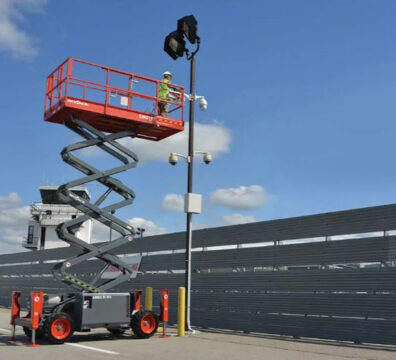
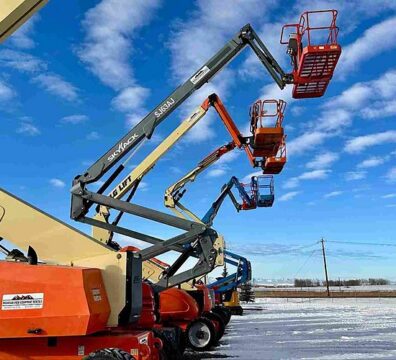
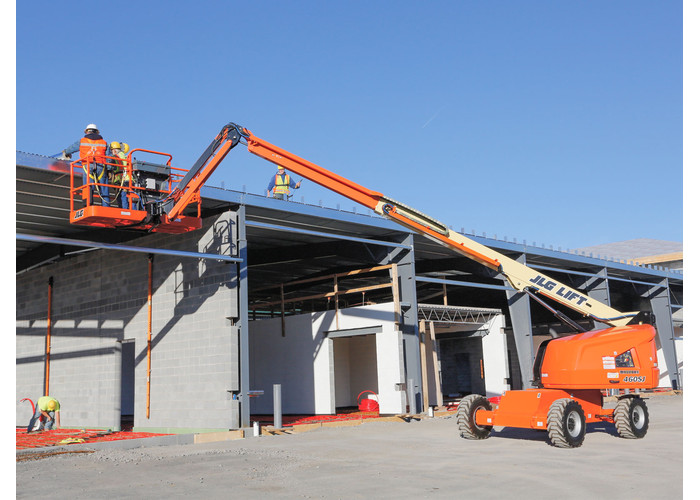
For example, a project may require excavation during site development, material handling during structural construction, and elevated access during mechanical or exterior work. A 45ft Articulating Boom Lift can provide flexible up-and-over access where crews need to work around walls, rooflines, equipment, or other obstacles. This is beneficial because the machine can be brought in specifically for the elevated access phase rather than remaining in the fleet year-round.
Maintenance Responsibility Becomes Easier To Manage
Owning equipment requires a reliable maintenance program. Preventive maintenance, repairs, parts inventory, service scheduling, inspections, and downtime all become the responsibility of the owner. As a fleet grows, contractors may also need additional shop space, service vehicles, technicians, and administrative time to keep equipment available.
With rental equipment, much of the maintenance responsibility remains with the rental provider. Operators are still responsible for proper daily inspections, greasing, and correct equipment use, but contractors do not need to build long-term maintenance capacity around machines they only require periodically.
The operational advantages can include:
- Less capital committed to equipment purchases
- Reduced responsibility for scheduled maintenance and major repairs
- Less permanent yard or indoor storage space required
- Fewer transportation resources tied to owned equipment
- Greater flexibility to change machine size or type between projects
For contractors focused on keeping crews productive, reducing these secondary fleet responsibilities can be just as valuable as reducing the initial purchase cost.
Storage And Transportation Are Major Operational Advantages
Storage becomes increasingly important as an owned fleet grows. Excavators, telehandlers, boom lifts, and other heavy equipment require secure space when they are not on site. Businesses may end up maintaining larger yards simply to accommodate equipment that is not currently generating productive hours.
Transportation creates another ongoing responsibility. Depending on the machine, contractors may need appropriate trucks and trailers, qualified drivers, permits, loading time, and scheduling resources to move equipment between jobsites.
Rental can simplify both requirements. Equipment can be delivered when the relevant phase begins and removed when the work is complete. For companies working across Southern Alberta, reducing unnecessary equipment movements can simplify logistics and free up internal resources for the work itself.
How Does Renting Improve Fleet Flexibility?
One of the strongest advantages of renting construction equipment is the ability to select a machine according to actual project requirements rather than relying on whatever equipment happens to be owned.
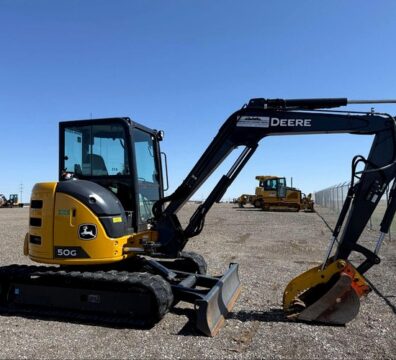
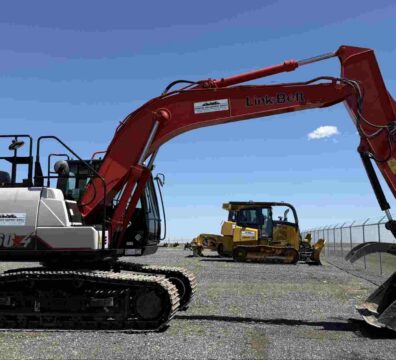
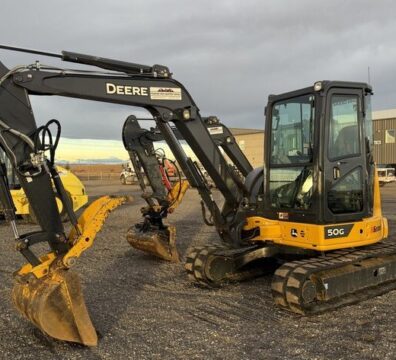
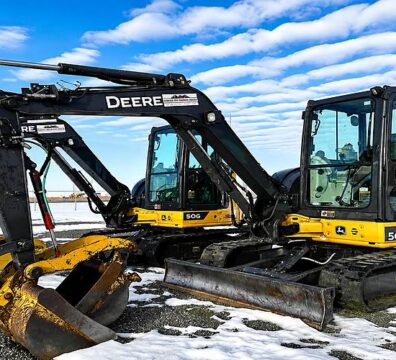
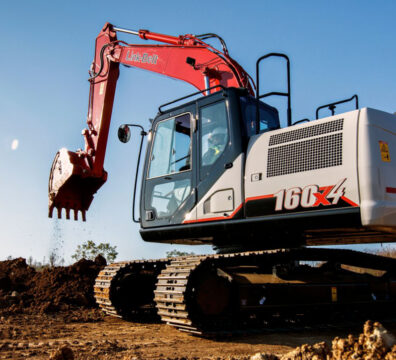
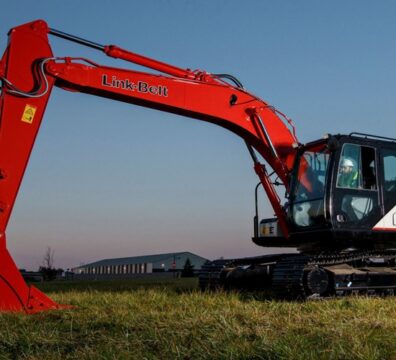
Consider a commercial project beginning with foundation excavation, trenching, and site preparation. A contractor may use a 16 Tonne Excavator during this phase. The machine provides the digging power, reach, stability, and versatility needed for demanding excavation, grading, utility work, and moving excavated soil around the site. Renting it is beneficial because the contractor gains that capability without adding another long-term machine to the fleet.
That flexibility extends further with attachments. Digging and cleanout buckets support trenching, excavation, grading, backfilling, and finishing work. A concrete breaker can handle demolition and breaking concrete or asphalt, while a plate compactor/hoe pack can compact material inside trenches. In colder conditions, a frost ripper can help break through frozen ground. These attachments allow one excavator to support several phases of work without requiring a separate machine for every task.
Rental Equipment Can Change As The Project Progresses
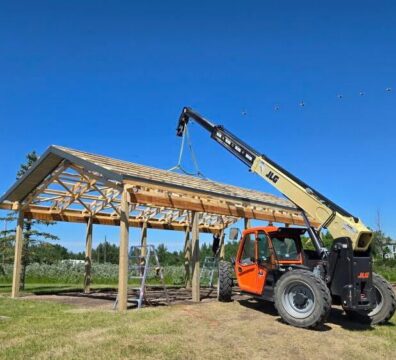
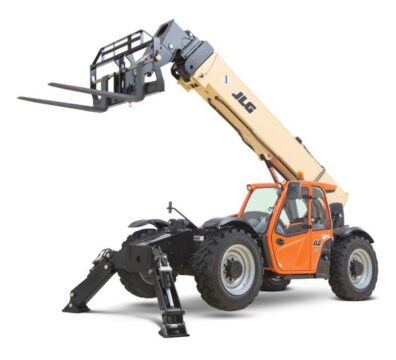
Once excavation is complete, the equipment requirements may shift toward unloading materials, supporting framing crews, and placing building supplies. A 10,000 lb Telehandler provides the lifting capacity, reach, and jobsite mobility needed for these applications. Its outriggers can also provide added stability when working at extended height and reach, helping the machine maintain greater lifting capacity when materials need to be positioned farther from the machine or at elevated locations.
This is beneficial because the telehandler can support material movement and structural placement during the next phase of construction without requiring the contractor to keep that specialized lifting equipment in the fleet long term.
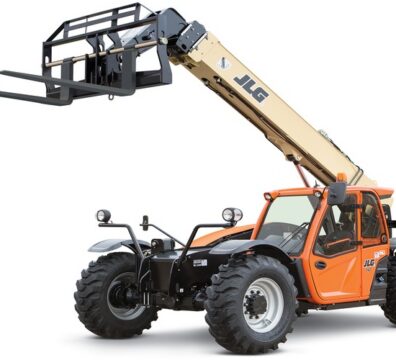
On tighter residential, commercial, or agricultural sites, a 5,500 lb Telehandler may be a better fit than a larger unit. Its compact footprint, tight turning radius, and four-wheel steering help operators manoeuvre around buildings and confined work areas. Renting allows contractors to select the machine that matches the site instead of relying on oversized equipment simply because it is already owned.
Equipment Selection Supports Better Jobsite Productivity
Rental flexibility is most useful when equipment is matched closely to the work. Digging depth, lifting requirements, available space, ground conditions, reach, and attachments all affect whether a machine will perform efficiently.
For excavation work, our article What Is A Mid-Size Excavator And When Should You Use One On A Jobsite? explains how digging power, reach, stability, operating space, and attachments affect equipment selection. This is beneficial when comparing different excavator classes.
For material handling and multi-purpose jobsite work, How Telehandlers Replace Multiple Machines And Improve Jobsite Efficiency explains how telehandlers combine lifting, reach, mobility, and attachment flexibility in one machine. This is beneficial when contractors are evaluating whether a versatile rental can reduce the need for multiple pieces of equipment on site.
When Does Owning Equipment Still Make Sense?
Ownership can still be practical when a machine is used consistently, utilization is predictable, and the business already has the maintenance, storage, and transportation resources required to support it.
Renting is particularly useful when requirements change between projects, utilization is seasonal, or a machine is only needed for one phase of the work.
Renting Supports A More Flexible Equipment Strategy
The advantages of renting construction equipment extend beyond avoiding a purchase. Renting can reduce capital commitments, simplify maintenance responsibilities, limit long-term storage requirements, reduce transportation demands, and give contractors access to machines and attachments that fit each stage of a project.
For dependable construction equipment rentals backed by practical jobsite experience across Southern Alberta, contact Mountain View Equipment Rentals to discuss the right equipment for your project.