Article Overview
Deciding between renting vs buying construction equipment requires more than comparing a rental rate with a purchase price. Utilization, cash flow, maintenance responsibility, transportation, storage, and changing project requirements all influence the long-term cost of a machine. For contractors, agricultural operators, and industrial teams, the right decision is the one that keeps equipment productive while protecting working capital and reducing unnecessary fleet costs.
How Does Equipment Utilization Affect Renting Vs Buying Construction Equipment?
Utilization is one of the most important factors when deciding whether to rent or own. A machine that works consistently across multiple projects may justify ownership because its purchase and operating costs are spread across many productive hours.
The calculation changes when equipment is required only periodically. A specialized machine may be essential for one stage of a project but remain unused once that work is complete. During those idle periods, the owner still carries depreciation, insurance, storage, maintenance, and other costs.
Contractors should consider:
- How many months each year the machine will realistically be working
- Whether future projects require the same size and configuration
- How much time the equipment is likely to spend idle
- Whether the business already has maintenance and storage capacity
- How frequently project requirements change
Looking at realistic utilization rather than expected utilization helps prevent a machine purchase from becoming a long-term fixed cost that is difficult to recover.
Cash Flow Can Influence The Better Long-Term Decision
Buying equipment requires capital, whether the purchase is made outright or financed. That commitment can reduce the amount of cash available for labour, materials, vehicles, project mobilization, and unexpected operating costs.
Renting creates a different cost structure. The business pays for equipment during the period it is required rather than committing capital to a machine that must provide value over several years.
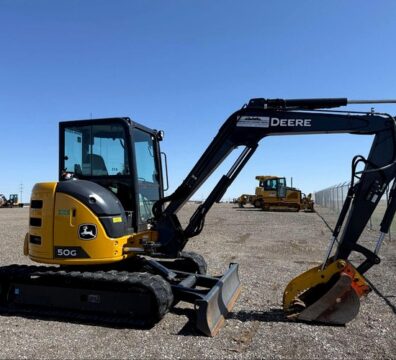
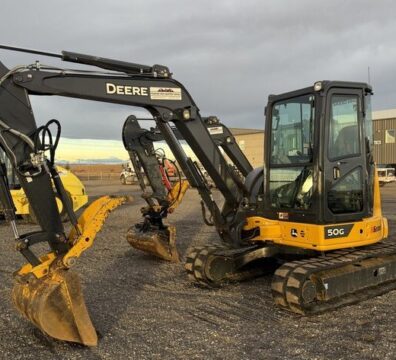
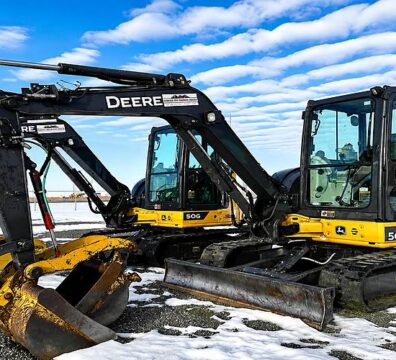
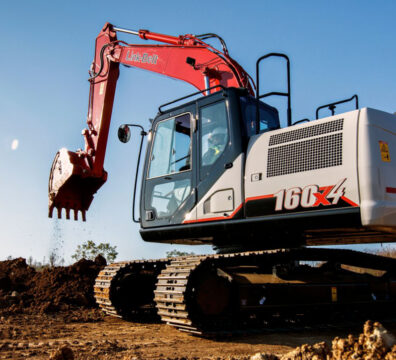
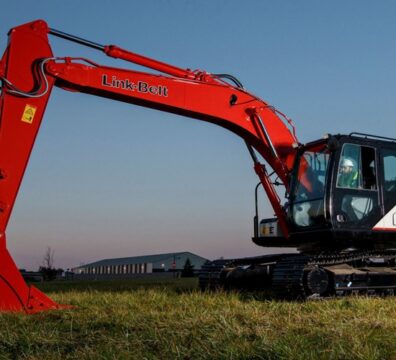
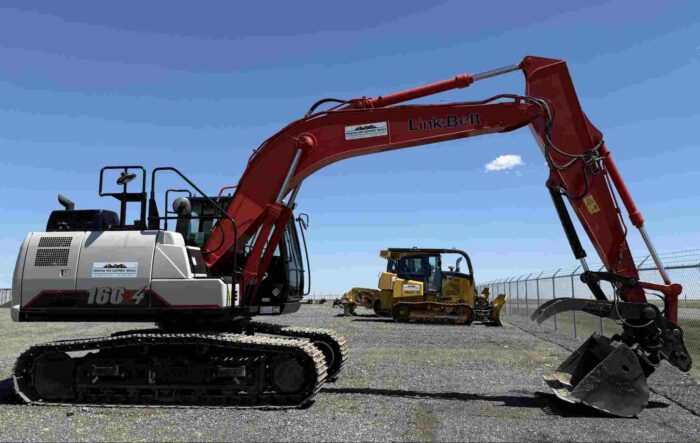
Consider a contractor starting a commercial building project. Early work may require a 16 Tonne Excavator for demanding excavation, trenching, grading, and site preparation. Renting is beneficial when that capability is required during the earthmoving phase but the contractor does not have enough ongoing excavation work to keep a mid-size excavator productive after the project moves forward.
Matching the equipment expense to the stage of work can help preserve working capital for the parts of the project where it is needed most.
Maintenance Costs Change The Ownership Calculation
Purchase price alone does not represent the true cost of owning heavy equipment. Scheduled servicing, wear items, breakdown repairs, parts, inspections, and technician time all need to be considered throughout the machine’s operating life.
An owned machine can also create indirect costs when it is unavailable. A breakdown during an important project phase may interrupt production while the business arranges repairs or waits for parts.
With rental equipment, much of the long-term service responsibility remains with the rental provider. Mountain View Equipment Rentals maintains equipment for construction, agricultural, and industrial applications and supports customers with practical equipment knowledge and responsive service. If a breakdown occurs, having mechanics on staff and commonly required parts in stock can allow repairs to be completed quickly. When an issue cannot be resolved promptly on site, replacement equipment may be provided to help reduce project disruption. This is beneficial for businesses that need machine capability without developing additional maintenance infrastructure for equipment used only periodically.
Project Timelines Often Favour Rental Flexibility
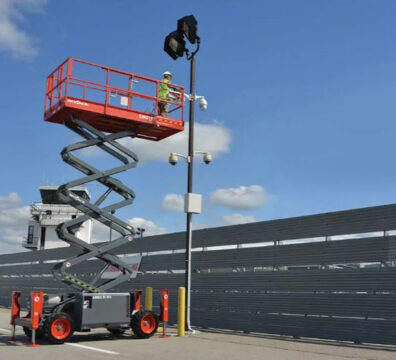
Construction projects rarely require the same equipment from beginning to end. Excavators may be needed during site preparation, telehandlers during framing and material placement, and access equipment during mechanical, electrical, or exterior work.
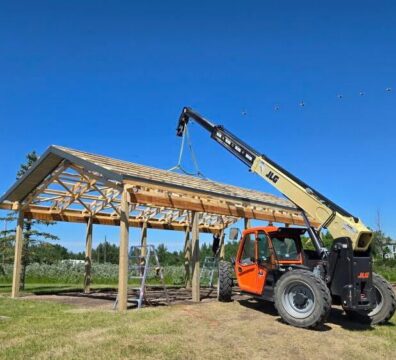
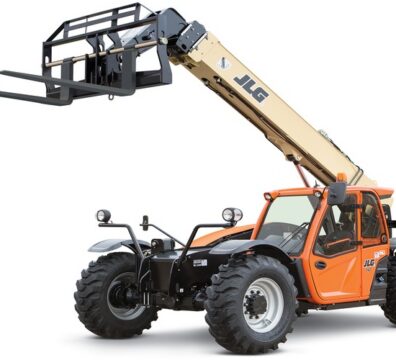
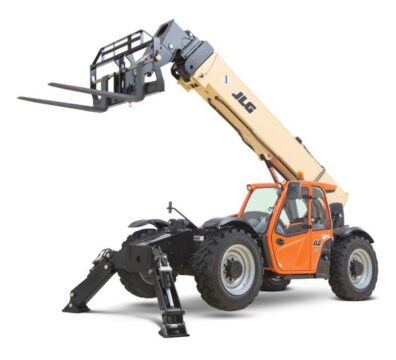
Once excavation is complete, the same commercial project may require a 7,000 lb Telehandler to unload deliveries, transport building supplies, and place materials closer to active crews. Its combination of lifting strength, reach, and jobsite mobility is beneficial because it can support several stages of construction without requiring the contractor to purchase another specialized machine.
For projects with tighter access or lighter material handling requirements, a 5,500 lb Telehandler may be a better fit. Its compact footprint, tight turning radius, and four-wheel steering are beneficial when crews need dependable lifting performance around buildings, confined work areas, or busy jobsites where a larger machine may be unnecessary.
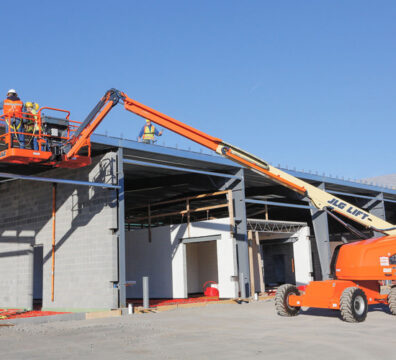
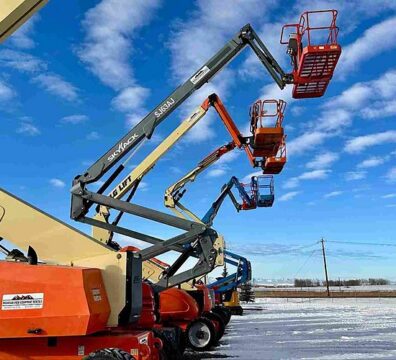
Later, a 45ft Articulating Boom Lift may be useful for electrical work, mechanical installation, exterior repairs, or other tasks requiring flexible positioning around obstacles.
Where the work instead requires longer direct outreach across an open jobsite, a 45ft Telescopic / Straight Boom Lift can provide strong horizontal reach with fewer machine movements. This is beneficial because contractors can choose the access configuration that matches the work rather than owning multiple lift types.
Renting allows each machine to arrive when its capabilities are needed and leave when that stage is finished. That flexibility reduces the risk of building an owned fleet around the requirements of one particular project.
The Right Equipment Selection Supports Jobsite Productivity
Ownership sometimes creates pressure to use the machine already in the yard, even when another size or configuration would complete the work more efficiently. Renting makes it easier to match the machine to actual project conditions.
For excavation planning, What Is A Mid-Size Excavator And When Should You Use One On A Jobsite? explains how digging depth, reach, stability, attachments, and operating space affect equipment selection. This is beneficial when deciding whether the additional capability of a larger machine is justified for the work.
For broader equipment planning, Avoid Costly Delays: How To Rent The Right Equipment For Your Black Diamond, Alberta Project explains how selecting the right machine for each phase of a project can improve efficiency and reduce unnecessary delays. This is beneficial when contractors are comparing equipment types and planning rentals around changing jobsite requirements.
Proper equipment selection helps protect margins by reducing unnecessary operating time, repositioning, and equipment overlap.
When Does Buying Construction Equipment Make Sense?
Buying can be the practical choice when utilization is high, future demand is predictable, and the business has the resources to maintain, transport, and store the equipment properly.
A machine that works consistently across similar projects can become a productive long-term asset. Ownership can also provide immediate access when scheduling requirements are predictable and the machine is central to daily operations.
The key is to evaluate total ownership responsibility rather than assuming that purchasing automatically costs less over time.
The Best Decision Depends On Long-Term Utilization
The decision between renting vs buying construction equipment comes down to how consistently the machine will work, how much capital the business wants to commit, and how predictable future project requirements are.
Ownership can provide long-term value for heavily utilized equipment. Renting provides flexibility when project timelines, machine requirements, or workloads change, while reducing maintenance and long-term fleet responsibilities.
For dependable equipment rentals backed by practical jobsite experience across Southern Alberta, contact Mountain View Equipment Rentals to discuss the equipment requirements for your upcoming projects.